


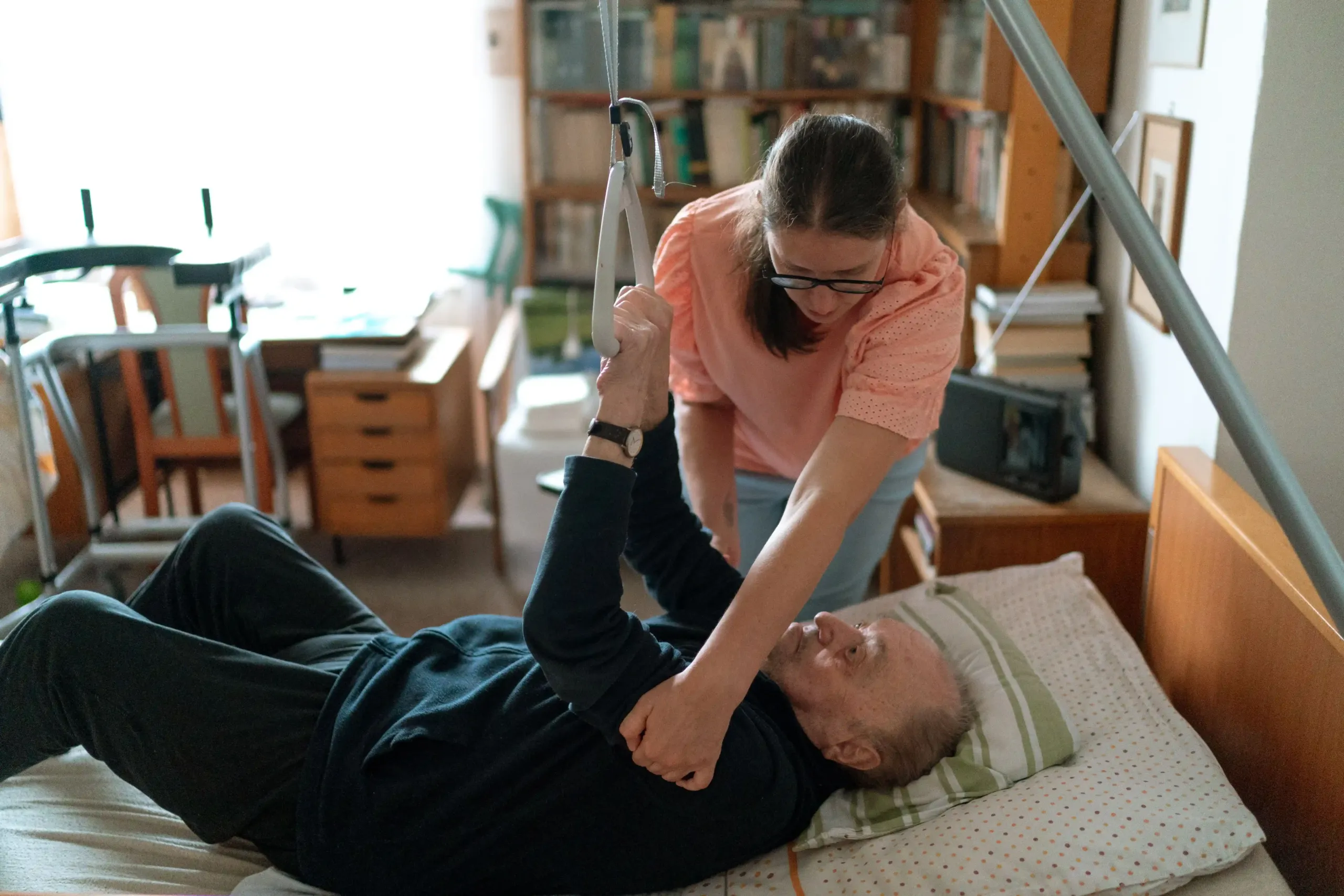
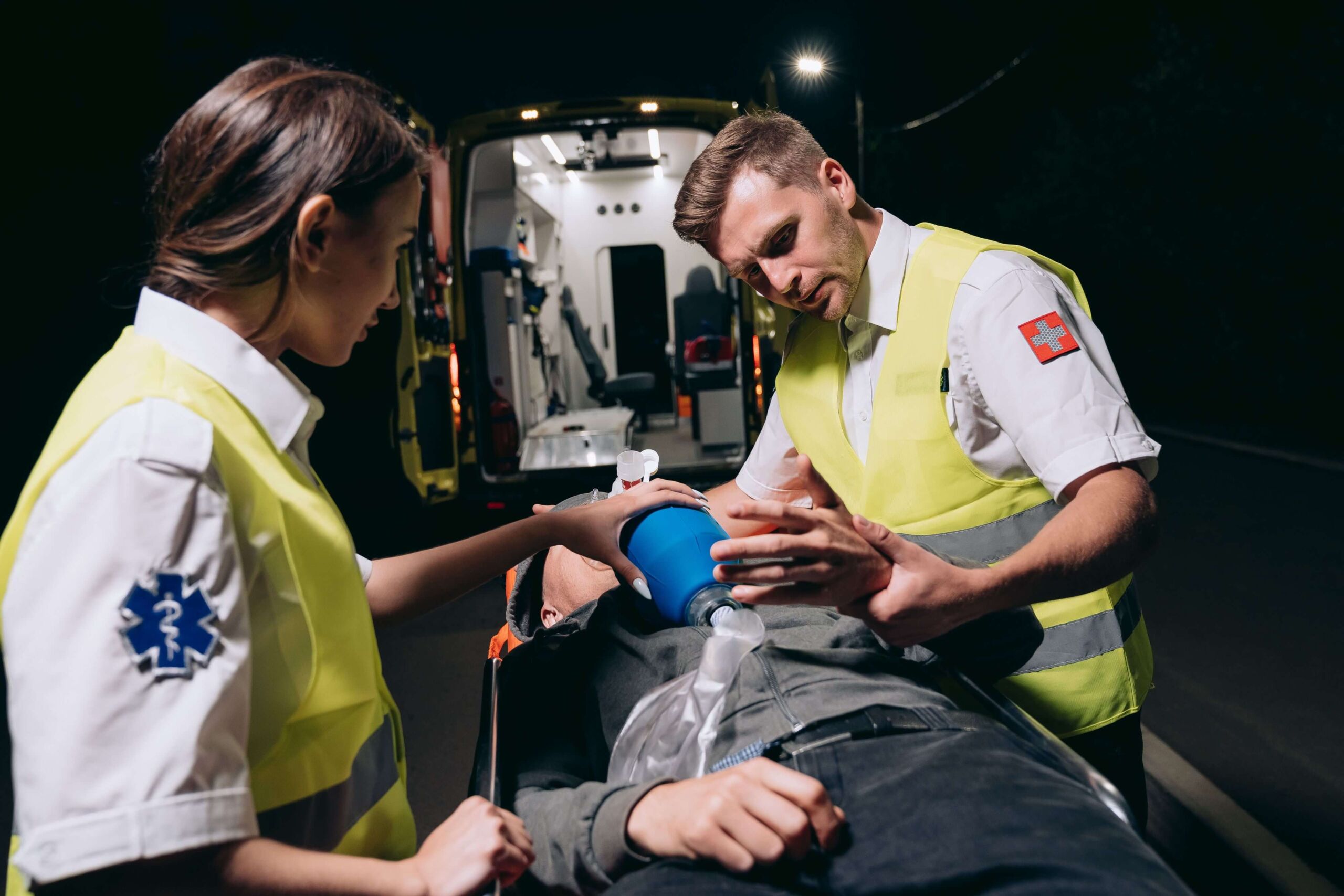

You booked the ride because you had no car. The crash did not change that, and neither did the injuries. Our clinicians travel to you instead, anywhere across Dallas, Fort Worth and Houston, with no upfront cost under a letter of protection.
THE PASSENGER'S POSITION
You had no steering wheel and no warning
Everyone else involved saw it coming. The driver braced. You were looking at a phone in the back seat. A rideshare car accident puts you in the one seat with no control, no view of the road and frequently no seatbelt, and the injury pattern reflects that. Faces and foreheads meet headrests. Knees strike seat backs. Necks snap forward without any muscular preparation at all, which tends to produce worse soft tissue damage than the same impact does to a braced driver. Passenger injury in rideshare collisions also goes unreported more often than any other category, because there is no damaged car in your driveway each morning reminding you that something happened to your body.

Chiropractor at home
Hands-on correction for the cervical spine and mid back that took the unbraced whip, scheduled around your working hours.
Physical therapy at home
Loading and mobility work that rebuilds what the impact loosened, tracked against numbers taken at your first visit.
Occupational therapy at home
Practical help returning to commuting, desk work, lifting and everything the injury quietly made harder.
Occupational therapy at home
Brief daily movement you can fit between shifts, revised whenever your measurements change.
AN OVERLOOKED PART OF HEALING
Getting back into the back seat
Range of motion charts say nothing about whether you can tolerate being driven again. Plenty of passengers find that the first few journeys after a rideshare accident bring a tension through the neck and shoulders that no adjustment touches, and most clinics will never hear about it because nobody thinks to mention it. Occupational therapy is where that belongs. Our OTs grade you back toward commuting, car journeys, desk hours and whatever your week actually demands, then record what remains difficult. For anyone pursuing a claim, that record describes the real cost far better than a pain score ever could.

What we need from you, and what we do not
Step one is a conversation rather than paperwork. Tell us the date, the company, roughly where it happened and what hurts. Nothing to fill in, nothing to bring.
Step two we take off you completely. Rideshare claims are genuinely confusing, because cover shifts depending on whether the app was off, on and waiting, or mid-trip with you in the vehicle, and several policies can be in play at once. If a lawyer is handling it, we contact their office about the letter of protection, which means your care is settled from the eventual outcome and nothing comes out of your pocket during treatment. Without a lawyer, we talk you through the alternatives first. PIP, MedPay, health cover and self-pay are all workable.Step three happens at your address. A clinician reaches you generally within two days and treatment starts immediately, with signed notes and an itemised statement produced from that first session onward.
-
Start With No Upfront Cost

PASSENGER QUESTIONS
What passengers worry about most about most
Being injured in a ride share accident raises a particular set of concerns, whether it was an Uber or a Lyft accident.
Whose insurance pays for this?
That depends on what the driver's app was doing at the moment of impact, and often more than one policy applies. It is not something you need to untangle before being seen. We begin care and liaise with whoever is handling the claim.
Will making a claim harm the driver?
Claims of this kind are made against insurance policies, not against a person's pocket. Declining to pursue one simply means you absorb the cost of your own injuries instead.
I never collected anyone's details. Is it too late?
Probably not. Your trip history in the app records the driver, route and timing, and that is usually enough for a lawyer to work from. Tell us what you have and we will start regardless.
Where do you travel?
Right across the DFW metroplex and greater Houston, reaching homes, apartments and workplaces in Dallas, Fort Worth and the surrounding cities. Clinicians are available in English and Spanish.